Wildlife · seasonal
When can you see icebergs in Newfoundland?
Everything cruise passengers need to know about iceberg season, where to see them, and how to maximise your chances.
What causes Newfoundland's icebergs?
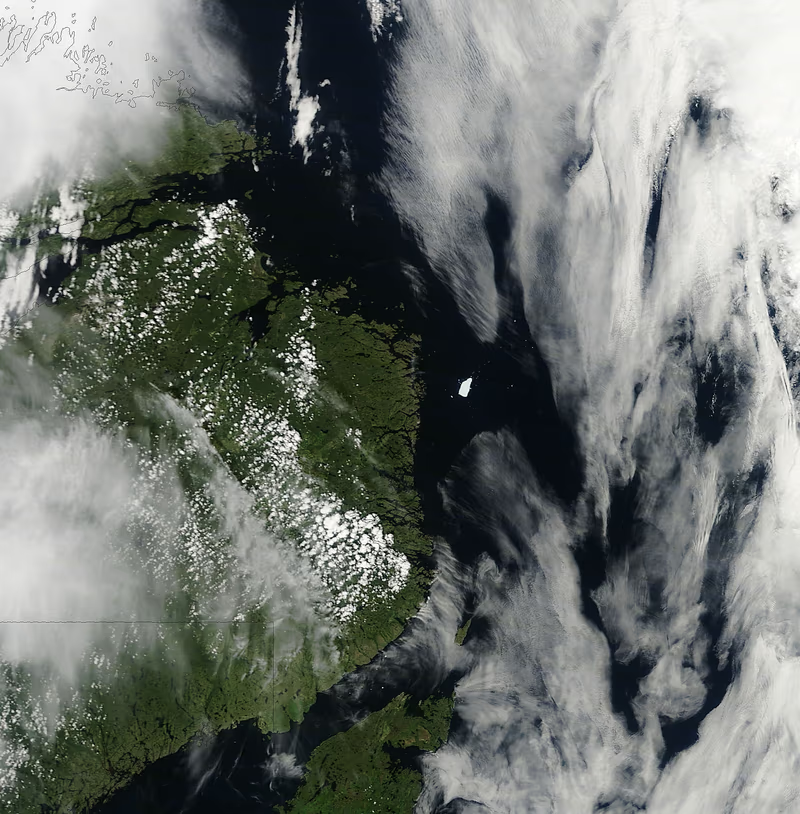
Newfoundland and Labrador earned global fame as the southern end of Iceberg Alley— the corridor where massive freshwater ice drifts south from western Greenland, breaks free of the Arctic, and rides the Labrador Current past the island's northeast coast.
These are not local formations. Most bergs calve from the Greenland ice sheet, then travel hundreds of kilometres over weeks or months before anyone in St. John's might spot them. That journey is why each berg feels like a fleeting event — and why no operator or harbour webcam can promise one on your port day.
For harbour-level context on what cruise passengers realistically see from town, see also our icebergs near St. John's guide.
When is iceberg season?
Peak weeks shift every year. The table below reflects typical patterns for cruise passengers — not guarantees. Use the cruise planner to match your ship month to realistic options.
| Month | Typical conditions | Iceberg outlook |
|---|---|---|
| March | Winter lingers; sea ice and pack ice more common than classic bergs | Rare — late-month bergs possible in strong years only |
| April | Season opens; cold wind, fog, and variable visibility | Possible — first bergs may appear along the northeast coast |
| May | Peak interest month; layered clothing essential on lookouts | Often strongest — many years deliver bergs within day-trip range |
| June | Warmer air but bergs melt faster; whales increasingly active | Still possible early June — fewer bergs as month progresses |
| July | Summer cruise peak; iceberg products usually finished | Unlikely — occasional distant remnant at best |
Honest expectation:Iceberg season is exciting precisely because it is unpredictable. A May cruise in a strong year might deliver bergs from Signal Hill; a June call in a weak year might find nothing within a day's drive. Never book a port day solely around ice.
Best places to see icebergs
Newfoundland hosts famous viewing locations — but not all are realistic on a cruise excursion timetable.
- St. John's harbour & Signal Hill: When bergs drift close, the city delivers iconic photos without leaving town. Check local trackers — this is bonus luck, not a baseline plan.
- Cape Spear: Realistic on a half-day Cape Spear shore excursion. Occasional berg glimpses offshore in season; read our Cape Spear guide for what the headland actually delivers.
- Twillingate & Bonavista: World-renowned berg towns on the northeast coast — typically notfeasible on a standard 6–8 hour St. John's port call without extreme rushing.
- Ferryland: Historic coast with berg potential in strong seasons — usually a long drive from the cruise terminal for independent travellers only.
For most cruise passengers, the practical choices are harbour-adjacent luck, Cape Spear, or an organised seasonal iceberg tour when operators confirm bergs within safe range.
Can you see icebergs from your cruise ship?
Sometimes — and that surprise sighting is one of the thrills of a Newfoundland approach. Ships often enter The Narrows at dawn or early morning, which can mean dramatic light or thick fog.
- Arrival timing: Bergs visible at sea may melt or drift before you disembark. Photograph from the deck when safe — do not delay immigration plans chasing ice.
- Weather & visibility: Fog hides icebergs as easily as it hides lighthouses. Clear days reward passengers on upper decks.
- Binoculars: A compact pair transforms distant white shapes into unmistakable berg profiles.
- Port approach:The final miles into St. John's can pass near coastal ice in strong seasons. Ask the crew if they expect viewing opportunities — they will not promise sightings.
Pair ship-deck hopes with shore planning via our St. John's cruise port guide.
Best excursions for iceberg viewing
When ice is present and your hours ashore allow, these are the excursion types cruise passengers most often combine:
- Cape Spear shore excursion — easternmost point, open-ocean views, occasional offshore bergs without committing to a long rural chase.
- Scenic coastal drives — Avalon Peninsula loops when operators report accessible ice; treat sightings as bonuses. See scenic Newfoundland tour.
- Seasonal iceberg tours — dedicated products that run only when bergs are confirmed within day-trip range; enquire early in strong seasons.
- Whale & iceberg cruises — late May and early June sometimes overlap both; read our whale watching guide for seasonal honesty on combo trips.
Compare fit and return confidence on our best St. John's shore excursions list and things to do from a cruise ship hub.
Icebergs and whales
Late spring is the sweet spot where iceberg chasers and whale watchers overlap. Humpbacks arrive as some bergs still drift south, and combo marketing peaks — but wildlife and ice remain independent events.
A whale boat is not an iceberg tour unless the operator explicitly routes toward known ice and bergs are confirmed that day. Many passengers in May and early June sensibly plan one coastal drive or berg product plus a separate whale trip when port time allows.
Cruise passenger tips
- Dress for the North Atlantic: Wind on Cape Spear or a boat deck feels colder than downtown. Pack a warm hat and waterproof shell even in May. See what to wear in St. John's.
- Bring binoculars — ship, lookout, and coach windows all benefit.
- Use zoom, not digital crop — phone cameras struggle with distant white ice against bright sea haze.
- Check weather and fog forecasts the evening before your port day; fog can cancel or dull the best-laid berg plans.
- Enjoy the scenery regardless. Signal Hill, The Narrows, and Cape Spear reward visitors even when ice stays offshore. A port day without bergs is still a remarkable Newfoundland day.
Return-to-ship confidence
ModerateDedicated iceberg chases and rural coast drives need six or more hours ashore and generous buffers before all-aboard. Harbour-level viewing from downtown is High confidence for time — Low for ice certainty.
Organised shore excursions from reputable operators are structured around cruise schedules. Confirm terminal pickup and drop-off when you enquire.
Frequently asked questions
Are iceberg sightings guaranteed in Newfoundland?
No. Icebergs drift unpredictably along Iceberg Alley. Some seasons bring spectacular bergs near St. John's; other years keep ice far north. Fog, wind, and melt can hide or destroy bergs on any given day.
Are icebergs dangerous for cruise passengers?
Viewed from approved lookouts, roads, or licensed tour boats, icebergs are generally safe when you follow operator guidance and stay behind barriers. Never approach ice on foot along the shore, and treat boat trips like any coastal excursion — conditions matter.
Can you still see icebergs in Newfoundland in July?
July cruise calls should not plan around icebergs. Dedicated iceberg tours rarely operate, and any remaining ice is usually far offshore or already melted. Whale and puffin tours replace ice as the seasonal focus.
Is iceberg viewing suitable for children?
Coastal lookouts such as Cape Spear can work for families with warm layers and patience. Long coach drives to rural viewing areas suit older children better. Boat tours depend on sea conditions and operator age policies.
Is May or June better for icebergs near St. John's?
May is typically stronger for iceberg numbers; June trades more bergs for better weather and overlapping whale activity. Neither month guarantees a sighting — check local iceberg trackers and tour operator advice for your visit week.
Plan your port day
- St. John's cruise port guide — berths, walking, taxis, weather
- Cruise planner — match excursions to your hours ashore
- Icebergs near St. John's
- Best time to visit
- Puffin season
- Iceberg tour — enquire about this tour
- Cape Spear tour — enquire about this tour
Need help choosing?
Tell us your ship, port hours, and interests — we'll suggest St. John's, Newfoundland and Labrador shore excursions that fit your schedule and return-to-ship window.